The staircase is often one of the first architectural features people notice when entering a home or commercial property. While stairs provide a functional way to move between levels, a railing system can transform an ordinary staircase into a stunning design element. Metal Stairs Railings have become increasingly popular because they offer a perfect balance of durability, safety, and style. Whether you are designing a new space or updating an existing staircase, choosing the right metal railing can dramatically enhance the property’s overall appearance.
The beauty of metal stair railings lies in their versatility. They can complement sleek modern interiors, rustic designs, industrial aesthetics, and even traditional architectural styles. With countless customization options, property owners can find a railing design that reflects their personal taste while enhancing the functionality and value of the space.
Why Metal Stair Railings Are a Popular Choice
Metal stair railings continue to gain popularity because of their exceptional strength and long lasting performance. Unlike some materials that may deteriorate over time, metal can withstand years of daily use while maintaining its structural integrity.
Another major advantage is design flexibility. Metal can be shaped, cut, welded, and finished in numerous ways, allowing for highly customized railing systems. Whether the goal is a simple minimalist appearance or an intricate decorative design, metal can accommodate a wide variety of styles.
Maintenance is also relatively straightforward. Depending on the type of metal and finish selected, railings often require only occasional cleaning and inspection to remain in excellent condition.
In addition to their practical benefits, metal railings contribute to property value by creating a polished and professional appearance. Their combination of beauty and durability makes them a preferred option for both residential and commercial applications.
Modern Horizontal Metal Railings
One of the most sought after metal stair railing ideas is the horizontal railing design. Instead of traditional vertical balusters, horizontal railings feature sleek lines that run parallel to the floor.
This design creates a contemporary appearance that works particularly well in modern and minimalist interiors. The horizontal layout helps draw the eye across the space, making rooms feel larger and more open.
Horizontal metal railings pair beautifully with various materials, including wood stair treads, concrete surfaces, and glass accents. Their clean lines create a sophisticated aesthetic without overwhelming the surrounding architecture.
Many homeowners appreciate this style because it combines visual simplicity with strong structural performance. The result is a railing system that feels modern, elegant, and highly functional.
Industrial Style Metal Railings
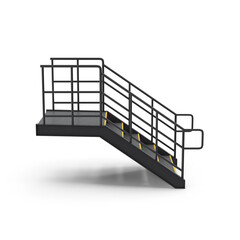
Industrial design remains a popular trend, and metal stair railings play a central role in achieving this look. Industrial railings often feature exposed metal components, clean welds, and simple geometric forms.
These railings typically emphasize functionality while showcasing the raw beauty of metal materials. Matte finishes, dark coatings, and visible hardware elements contribute to the industrial aesthetic.
Industrial style railings work exceptionally well in spaces with open floor plans, exposed ceilings, brick walls, and other architectural elements that celebrate structural features. The rugged yet refined appearance creates a unique blend of character and durability.
Even in more traditional settings, industrial inspired railings can add a touch of contemporary sophistication without appearing overly decorative.
Decorative Wrought Style Metal Railings
For those seeking a more classic and elegant appearance, decorative wrought style railings offer timeless appeal. These railings often incorporate artistic patterns, curves, scrollwork, and ornamental details that create visual interest.
Decorative metal railings have been used in architecture for generations because they bring a sense of craftsmanship and sophistication to staircases. Modern fabrication techniques allow for customized designs that range from subtle embellishments to highly intricate artwork.
These railings are particularly effective in spaces where the staircase serves as a focal point. The decorative elements add personality and charm while maintaining the strength and safety expected from metal construction.
A carefully designed decorative railing can enhance both traditional and transitional interiors, creating a lasting impression on visitors and occupants alike.
Cable Metal Railing Systems
Cable railings have become one of the most popular choices for contemporary properties. This design combines metal posts and handrails with horizontal tensioned cables that create a sleek and unobtrusive appearance.
One of the primary advantages of cable railings is their ability to preserve views. Because the cables are relatively thin, they allow for greater visibility compared to more traditional railing systems. This makes them an excellent option for open concept interiors and outdoor staircases.
Cable railings also contribute to a modern and airy atmosphere. The streamlined design helps maintain visual openness while still providing the necessary safety features.
When paired with metal framing, cable systems offer durability and minimal maintenance, making them a practical and stylish solution for a wide range of applications.
Glass and Metal Stair Railing Combinations
Combining metal with glass creates a sophisticated railing system that offers both elegance and functionality. Glass panels supported by metal frames provide safety while maintaining a clear and unobstructed appearance.
This design is particularly effective in spaces where natural light is an important feature. The transparency of the glass allows light to flow freely throughout the area, helping rooms feel brighter and more spacious.
Metal framing provides the structural strength necessary to support the glass panels while adding visual contrast and definition. Depending on the chosen finish, the metal can either blend seamlessly into the design or serve as a bold architectural statement.
Glass and metal railing systems are frequently selected for luxury homes and modern commercial spaces because they deliver a refined and contemporary aesthetic.
Geometric Pattern Metal Railings
Geometric designs offer a creative way to transform a standard staircase into an architectural centerpiece. Instead of relying on traditional balusters, these railings feature custom patterns composed of squares, rectangles, triangles, or other geometric shapes.
The clean lines and repetitive forms create visual interest while maintaining a sense of order and balance. Geometric metal railings can be customized to complement virtually any design style, from ultra modern interiors to more eclectic spaces.
Fabrication technology allows for intricate patterns that were once difficult to achieve. This flexibility enables property owners to create truly unique railing systems that reflect their personal preferences.
Geometric designs can serve as functional safety features while also acting as works of art that elevate the overall design of the staircase.
Mixing Metal with Other Materials
One of the most effective ways to create a distinctive railing system is by combining metal with complementary materials. This approach adds texture, warmth, and visual depth to the staircase design.
Wood and metal are a particularly popular combination. The natural warmth of wood contrasts beautifully with the strength and sleek appearance of metal. Together, they create a balanced aesthetic that works well in both modern and traditional settings.
Metal can also be paired with stone, concrete, or glass to achieve different visual effects. Each material contributes unique characteristics that enhance the overall design.
By blending materials thoughtfully, property owners can create customized railing systems that feel both sophisticated and inviting.
Choosing the Right Finish for Metal Railings
The finish applied to a metal railing significantly impacts its appearance and longevity. Selecting the appropriate finish helps ensure that the railing complements the surrounding environment while maintaining long term durability.
Powder coated finishes are a popular choice because they offer excellent resistance to wear and environmental exposure. They are available in a wide range of colors and textures, making it easy to match specific design themes.
Brushed metal finishes provide a clean and contemporary appearance that highlights the natural character of the material. These finishes are often used in modern interiors where simplicity is a key design principle.
Painted finishes offer flexibility and customization while helping protect the metal from corrosion. Depending on the desired aesthetic, finishes can range from bold and dramatic to subtle and understated.
Choosing the right finish requires consideration of the installation environment, maintenance expectations, and overall design goals.
Final Thoughts
Metal stair railings offer endless possibilities for enhancing the beauty, safety, and functionality of a staircase. From modern horizontal railings and sleek cable systems to decorative wrought style designs and geometric patterns, there is a solution to suit virtually every architectural preference. The versatility of metal allows it to blend seamlessly with other materials while providing the durability needed for long term performance. By carefully selecting a railing style, finish, and design approach, property owners can transform an ordinary staircase into a striking architectural feature that adds value and character to any space.